+84 9 75 46 33 10 (Whatsapp)
  info@horizon-vietnamtravel.com
  Français
  Español
  Português
  Deutsch

Everything You Need to Know About Vietnamese Chopsticks
Table of contents
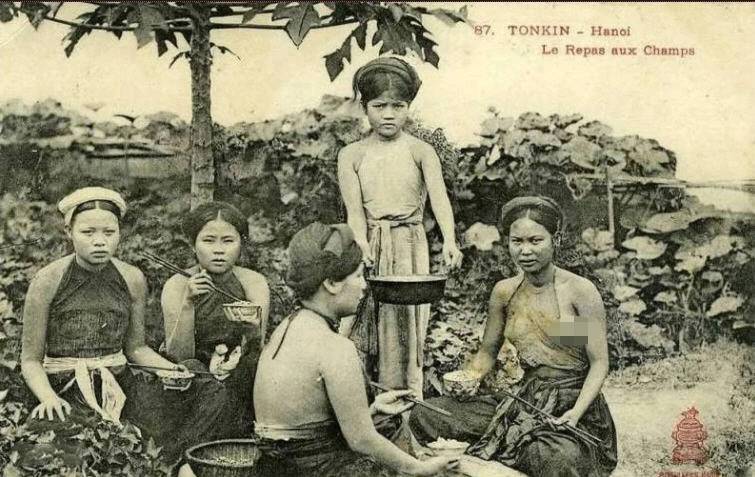
In Vietnam, chopsticks are not mere utensils: they embody the very soul of cuisine and the quiet elegance of the local way of life. Inseparable from Vietnamese meals, they accompany every bowl of rice, every plate of noodles, every mouthful shared around the family table. From bustling shops to grand celebrations, from meals eaten hastily on a sidewalk to everyday dining, chopsticks are present in every moment of daily life. Their use, passed down from generation to generation, is often the first “rite of passage” for children, proud to successfully pick up a grain of rice or a fresh herb.
It is not uncommon to hear during a meal: “You can tell a true Vietnamese by the way they hold their chopsticks!” More than just a tool, the chopstick here is the thread connecting a culinary tradition, conviviality, and a way of living that perpetuates itself, day after day, to the rhythm of flavors and encounters.
History and Origins of Chopsticks in Vietnam
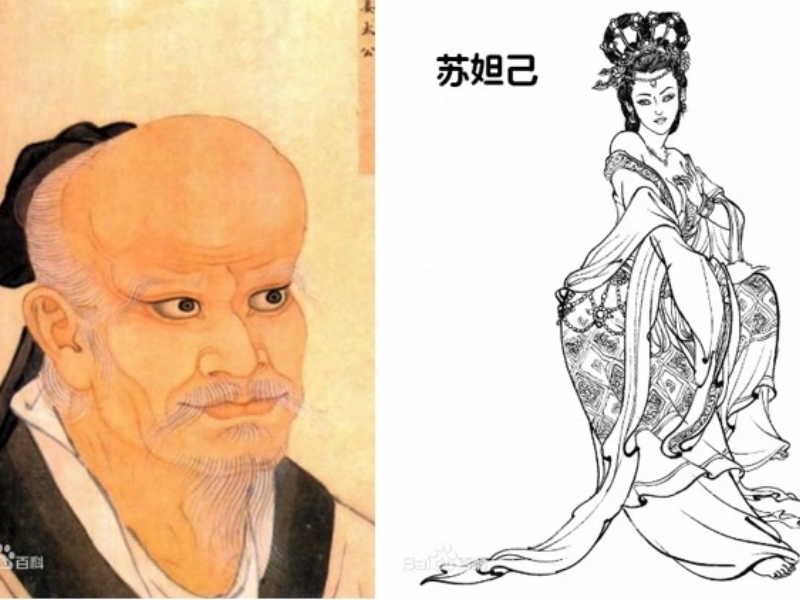
According to legend, Jiāng Zǐyá (姜子牙) is said to have received inspiration from the gods to invent bamboo chopsticks, while queen Dá Jǐ (妲己) is said to be at the origin of the creation of wooden chopsticks.
The history of chopsticks dates back thousands of years, well before their adoption at the Vietnamese table. Their origin is closely tied to ancient China, where they are believed to have been invented around 3,000 years ago.
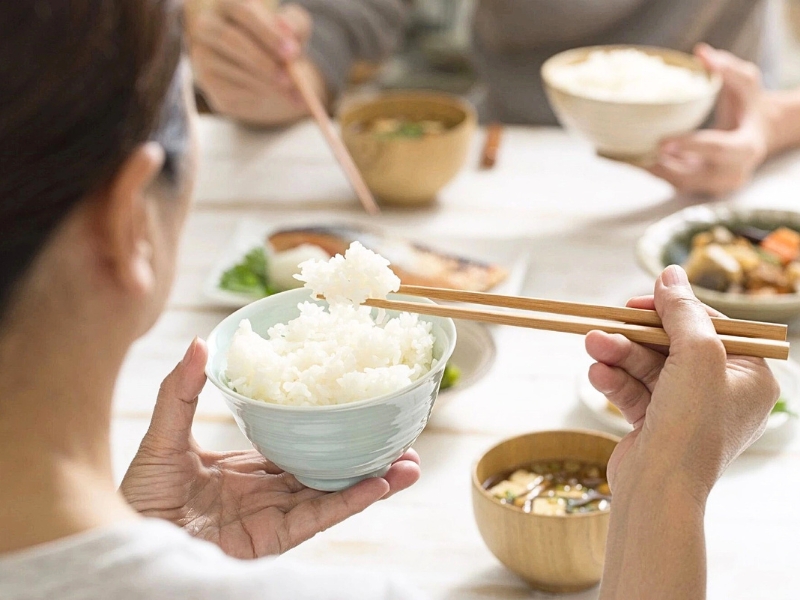
Chopsticks are a table utensil that originated in ancient China, once called “zhù” (箸) in classical Chinese and today known as “kuàizi” (筷子) in modern Mandarin.
At the time, the first models, made of bamboo or bronze, were used to cook and manipulate food in large cauldrons. Gradually, their use became more widespread and extended throughout East Asia, influencing the culinary practices of neighboring countries such as Japan, Korea, and of course, Vietnam.
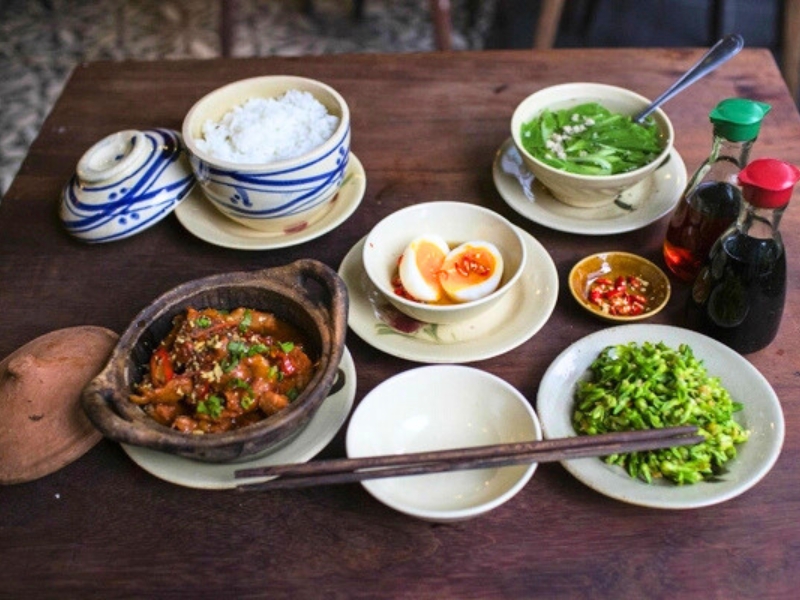
A Vietnamese meal is never complete without its chopsticks
The arrival of chopsticks in Vietnam was not simply an adoption: it was accompanied by a true cultural appropriation. Over the centuries, the object adapted to local lifestyles, to available raw materials, and to the daily needs of the Vietnamese people. While the first chopsticks were mainly made of bamboo, today they are found in wood, stainless steel, or plastic, each material serving a particular purpose, from family meals to grand ceremonies.
But Vietnamese chopsticks have their own special characteristics. Thinner and longer than their Chinese cousins, they often display a slender silhouette, sometimes rounded at the tip. Unlike Japanese chopsticks, which are shorter and often lacquered, or Korean chopsticks, which are flat and metallic, Vietnamese chopsticks favor lightness and simplicity. This detail is far from accidental: it reflects the elegance of the gesture and the importance of sharing in Vietnamese meal culture, where everything is designed to facilitate conviviality. Thus, though born elsewhere, chopsticks became in Vietnam an everyday object, at once familiar and carrying traditions, inseparable from the country’s culinary identity.
Traditional Manufacture of Vietnamese Chopsticks
In Vietnam, the manufacture of chopsticks is a craft passed down from generation to generation. The most commonly used materials are bamboo and wood, two natural resources abundant in the country. Bamboo is particularly appreciated for its lightness and strength, while wood, often from local trees such as coconut or palm, offers a pleasant consistency and a beautiful natural color. Today, you can also find plastic or stainless steel chopsticks, especially in restaurants or for disposable use, but in homes, traditional chopsticks remain the most appreciated.
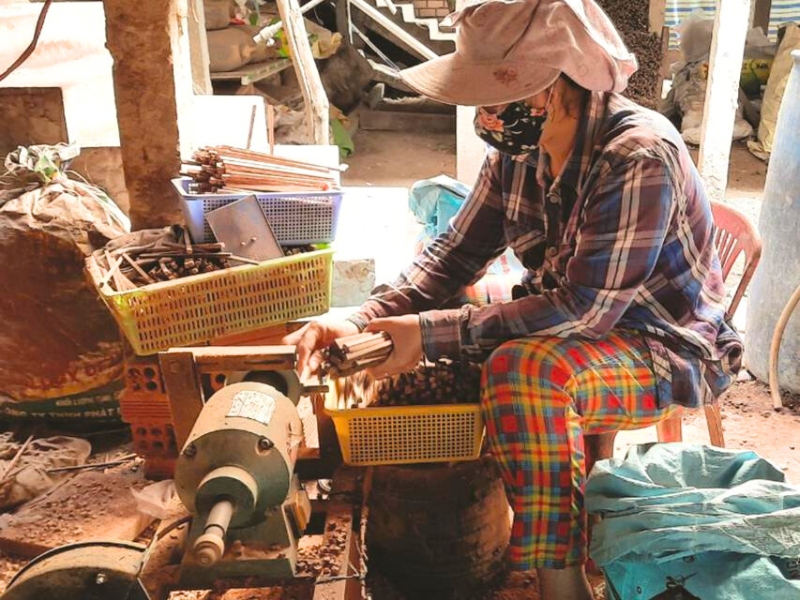
In Vietnam, most chopsticks are made of wood
Manufacturing begins with the selection of straight, solid stems. Artisans then cut the bamboo or wood to the correct length, before carefully carving it to obtain the desired shape. Each chopstick is hand-sanded to remove any imperfections and ensure a smooth surface, pleasant to the touch and to use. Some artisans add a touch of natural wax to strengthen the durability and protect the material.
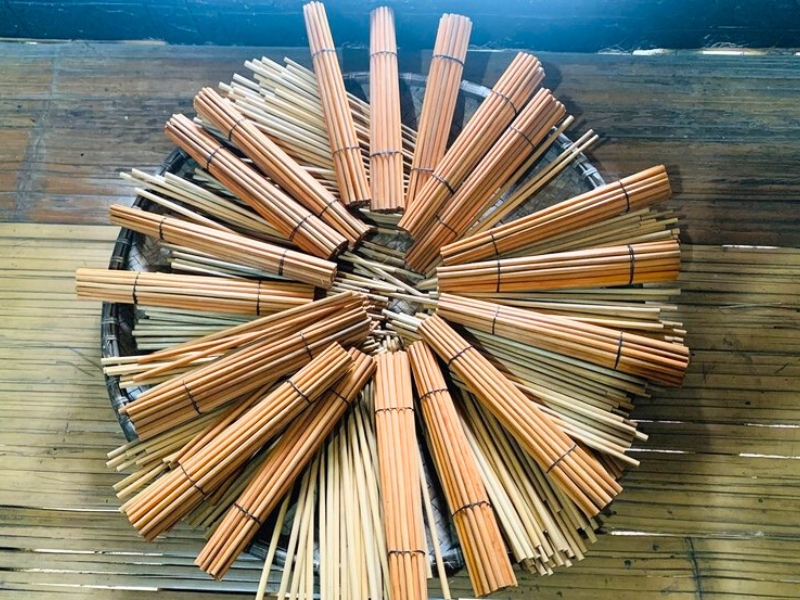
Vietnamese chopsticks: long, slender and discreetly tapered
What truly sets Vietnamese chopsticks apart is the simplicity of their design: they are generally long, slender, and slightly tapered at the tip. This shape makes it easy to grip and allows you to pick up both noodles and grains of rice or small pieces of meat. The natural feel of the wood or bamboo, as well as the lightness of the chopstick, are highly appreciated: they offer an authentic and pleasant experience at every meal. Thus, behind every pair of chopsticks lies all the elegance and fineness of Vietnamese culinary culture.
Rituals and Use of Chopsticks in Vietnamese Cuisine
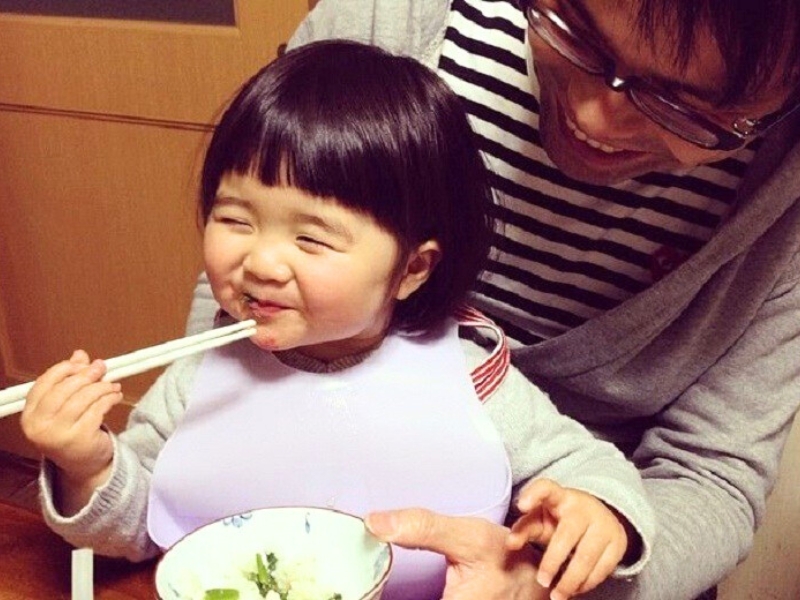
In Vietnam, the use of chopsticks is taught from an early age
In Vietnam, chopsticks are an integral part of daily life and shared meals. Their use, often learned from an early age, is a true family ritual: parents show their children how to hold and use chopsticks correctly, and every meal becomes an opportunity to perfect this precise gesture. For many, being able to pick up grains of rice or fresh herbs with skill is a source of pride and a small daily challenge.
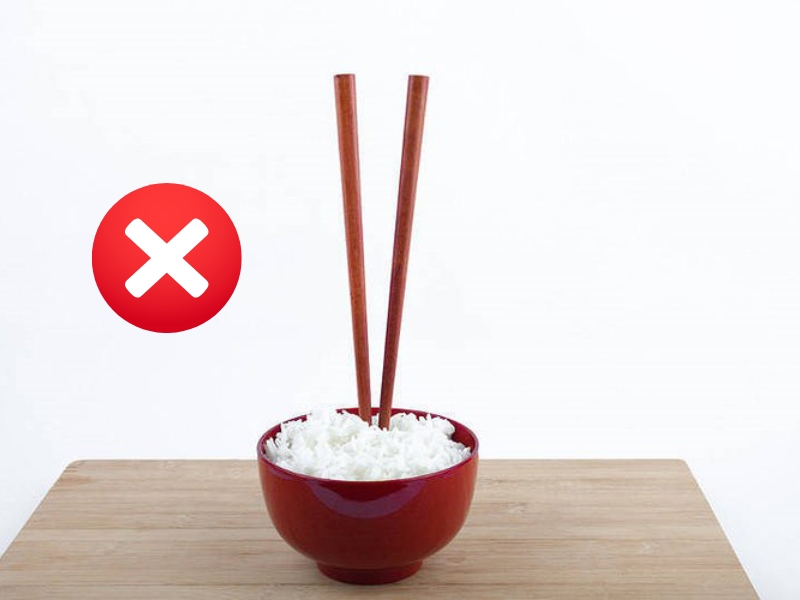
In Vietnam, you must never stick your chopsticks upright in a bowl of rice
Chopsticks also follow a whole set of etiquette rules, passed down from generation to generation. For example, it is considered impolite to stick chopsticks upright in a bowl of rice, as this gesture resembles the incense sticks used during funeral ceremonies. You should also not point chopsticks at another person or pass food directly from chopstick to chopstick, as these gestures also evoke funeral rituals. It is recommended to rest your chopsticks on a chopstick rest or on the edge of the bowl when not using them, as a sign of respect for your fellow diners and the food.
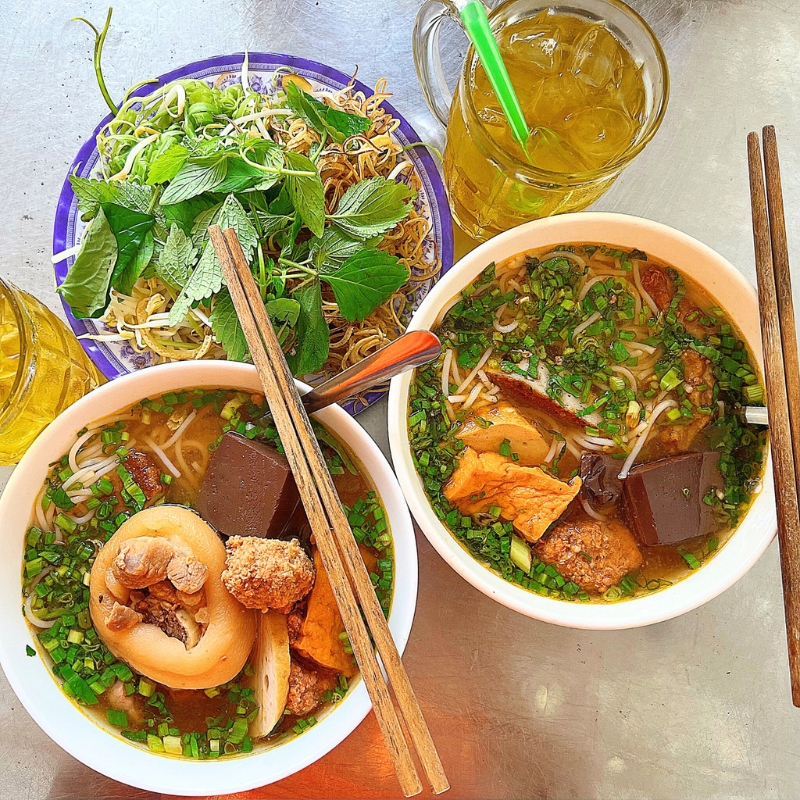
In Vietnam, dishes such as Pho or Bun are always enjoyed with chopsticks
Chopsticks accompany the vast majority of Vietnamese dishes, whether everyday meals or specialties such as Pho, Bun, stir-fries, or street food. They also symbolize sharing: it is common to serve yourself directly from the dishes placed in the center of the table. This gesture, at once convivial and delicate, strengthens family bonds and community spirit. Chopsticks thus play a central role in Vietnamese culinary culture, combining habit, respect, and conviviality at every meal.
Vietnamese chopsticks are much more than a simple eating utensil: they accompany every moment of life, from the everyday to grand occasions, and testify to the respect of traditions. Their use, learned from childhood, symbolizes conviviality and the sense of sharing so dear to Vietnamese culture. Trying to use chopsticks during a meal means entering into this ritual full of finesse and opening yourself to another way of discovering Vietnamese cuisine. This gesture, passed down from generation to generation, invites you to savor the dishes in a different way and to approach the warm spirit of the country’s tables. Thus, behind every pair of chopsticks lies a whole art de vivre: a blend of elegance, simplicity, and generosity. Because, in Vietnam, the most beautiful memories are often created around a shared meal.