+84 9 75 46 33 10 (Whatsapp)
  info@horizon-vietnamtravel.com
  Français
  Español
  Português
  Deutsch

Origin and meaning of the festival
The festival of cold foods, literally “festival of cold foods,” finds its origin in an ancient tradition coming from China, particularly from the North. Transmitted through the centuries, it has become deeply rooted in Vietnam. It is closely linked to the history of Gioi Tu Thoi (or Jie Zhitui in Chinese), faithful servant of Prince Trong Nhi, future king Tan Van Cong.
According to legend, during the prince’s exile to escape political chaos, Gioi Tu Thoi remained at his side. One day, in the midst of famine, he even sacrificed a piece of his own flesh to feed his sovereign. Having become king, Tan Van Cong rewarded his companions, but forgot Gioi Tu Thoi, who had withdrawn to the mountains with his mother. To bring him back, the king ordered the forest to be set on fire, unaware that they would refuse to flee and would die in the flames.
From this tragedy, it was decided that on that day, fire would no longer be lit to cook. Thus was born the tradition of consuming cold foods.
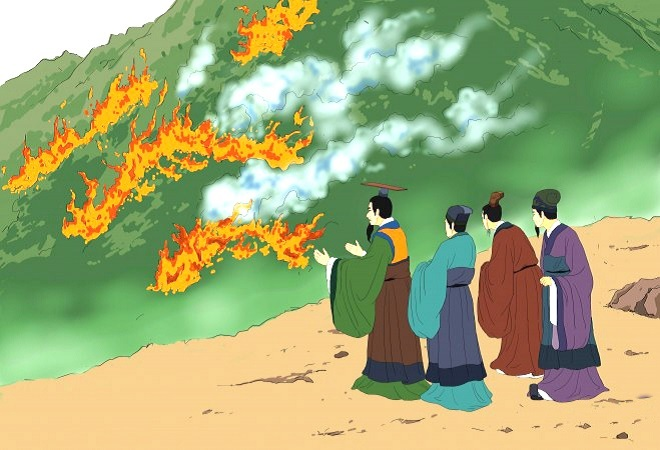
Deeply moved, the king established a day of commemoration. On that day, fire was no longer to be lit nor cooking done, in memory of his faithful servant. This day became the festival of cold foods, celebrated every 3rd day of the 3rd lunar month.
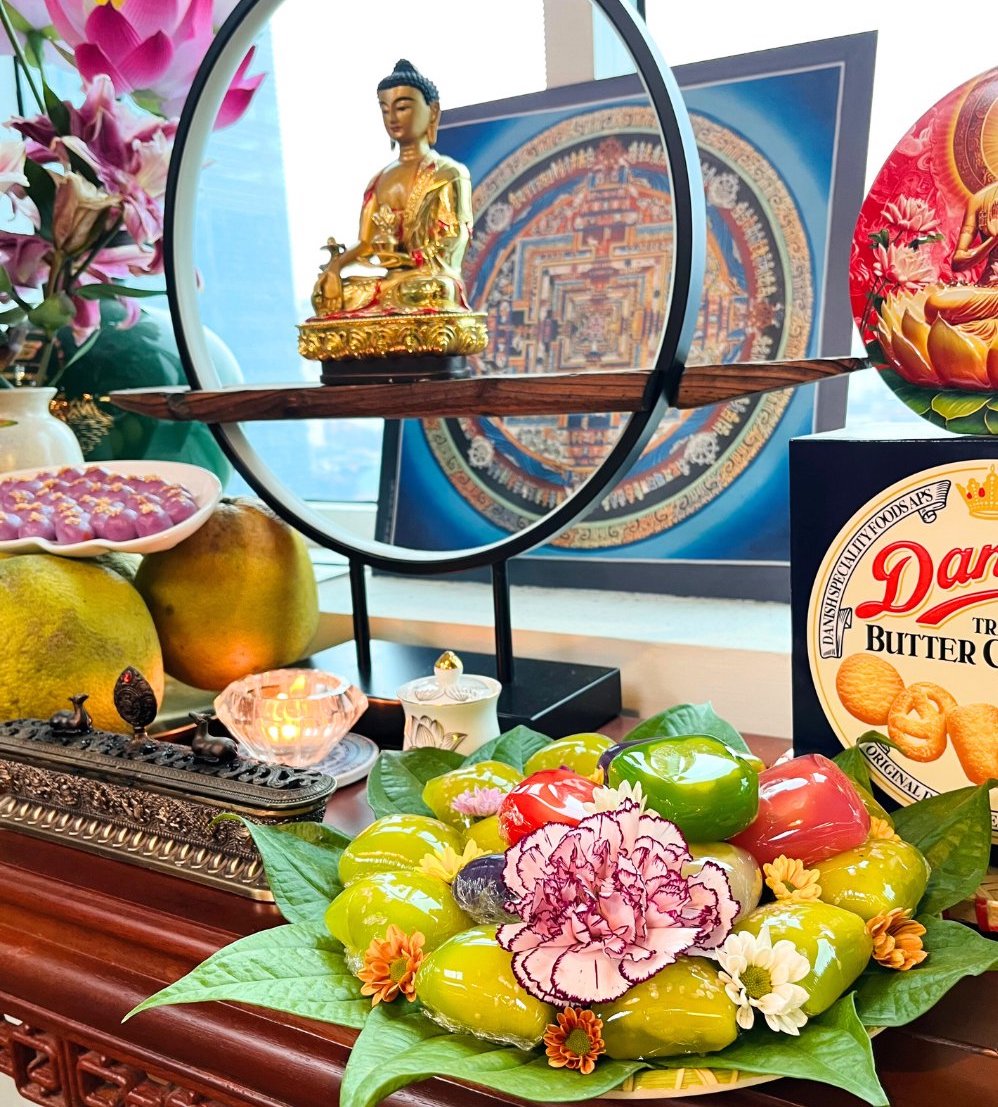
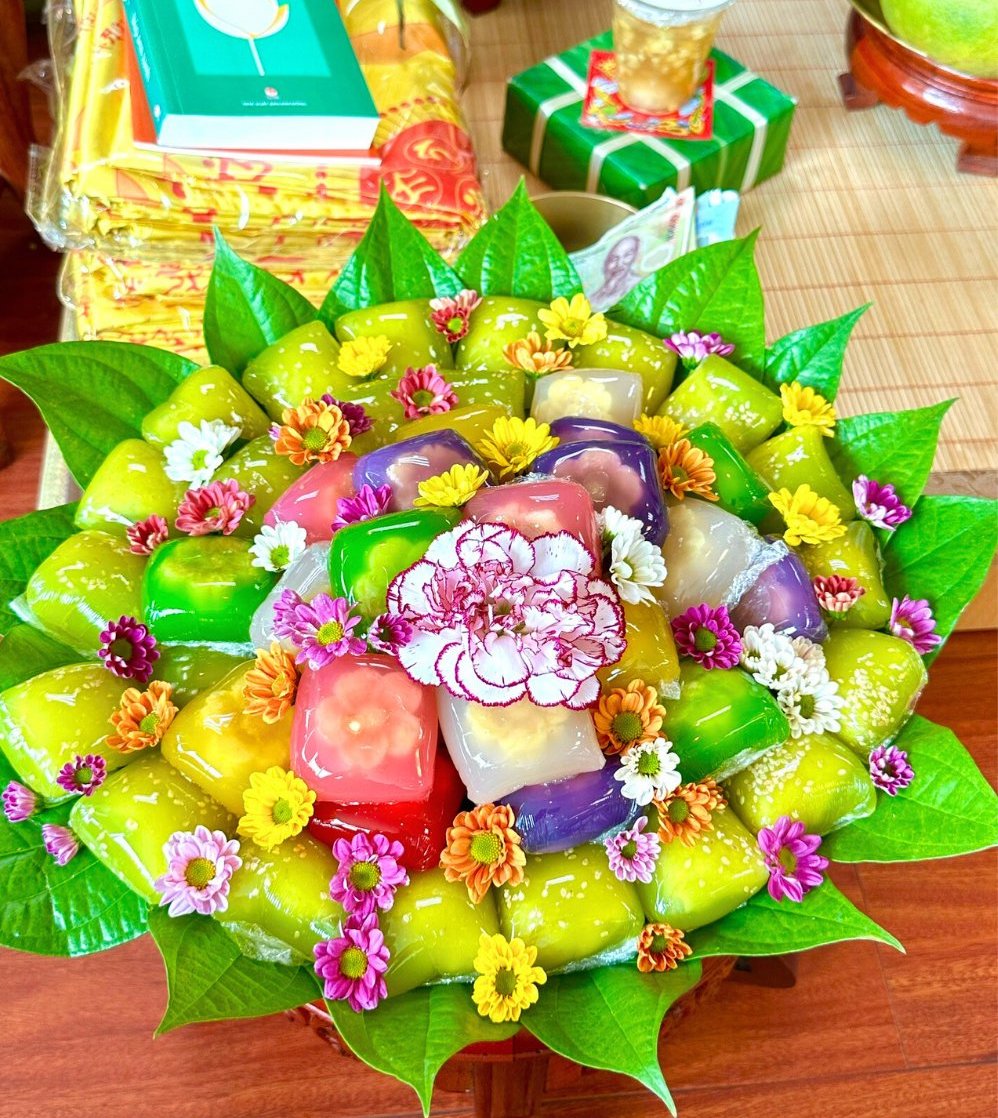
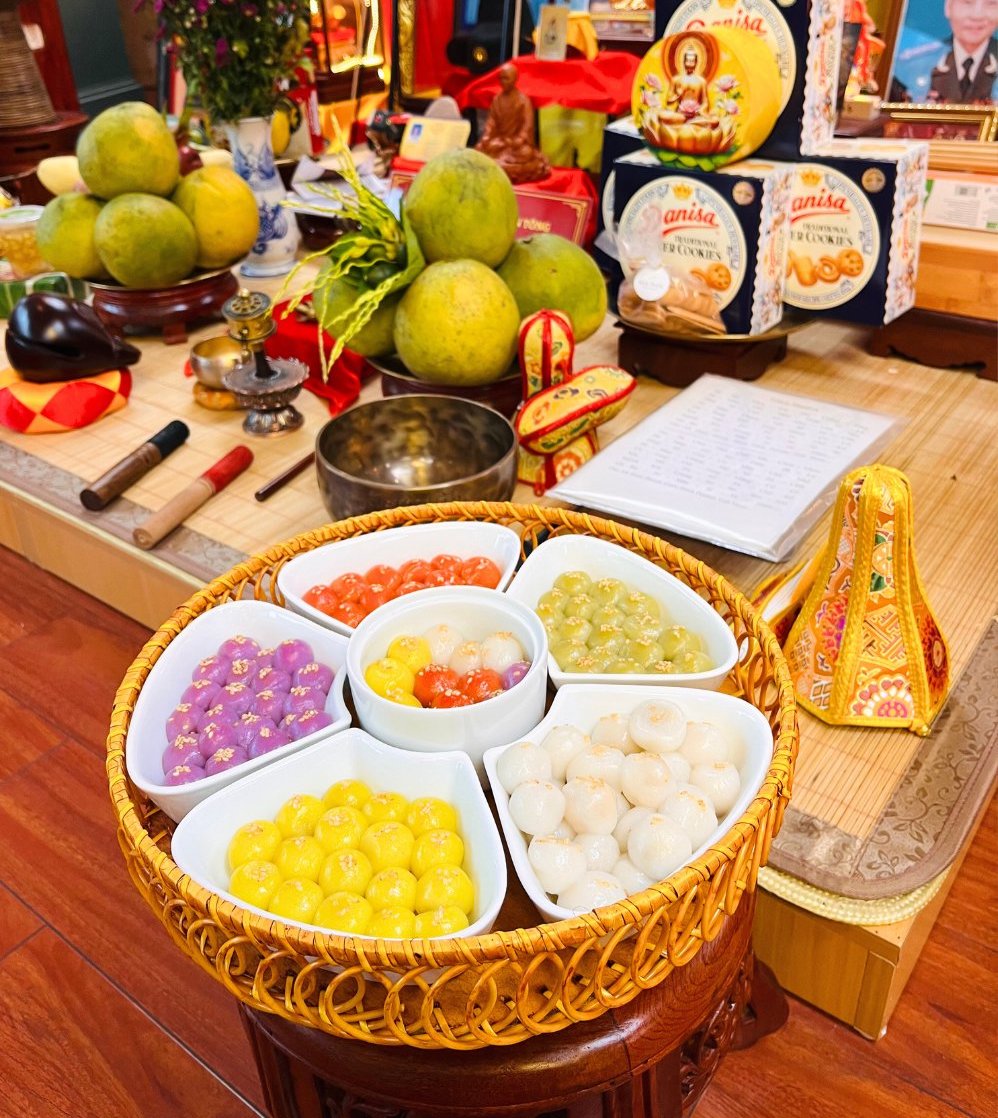
In Vietnam, while the festival has retained its name and its connection to memory, it has nevertheless evolved according to local values. Vietnamese people no longer prohibit the use of fire, but consecrate this day to honoring ancestors. The central symbol of this festival is the preparation of banh troi and banh chay, small balls of sticky rice. They are first offered on the family altar, then shared together. Thus, the festival has become a moment of memory and gratitude, highlighting filial piety, family harmony, and attachment to Vietnamese roots.
Banh Troi and Banh Chay — floating pearls of sweetness
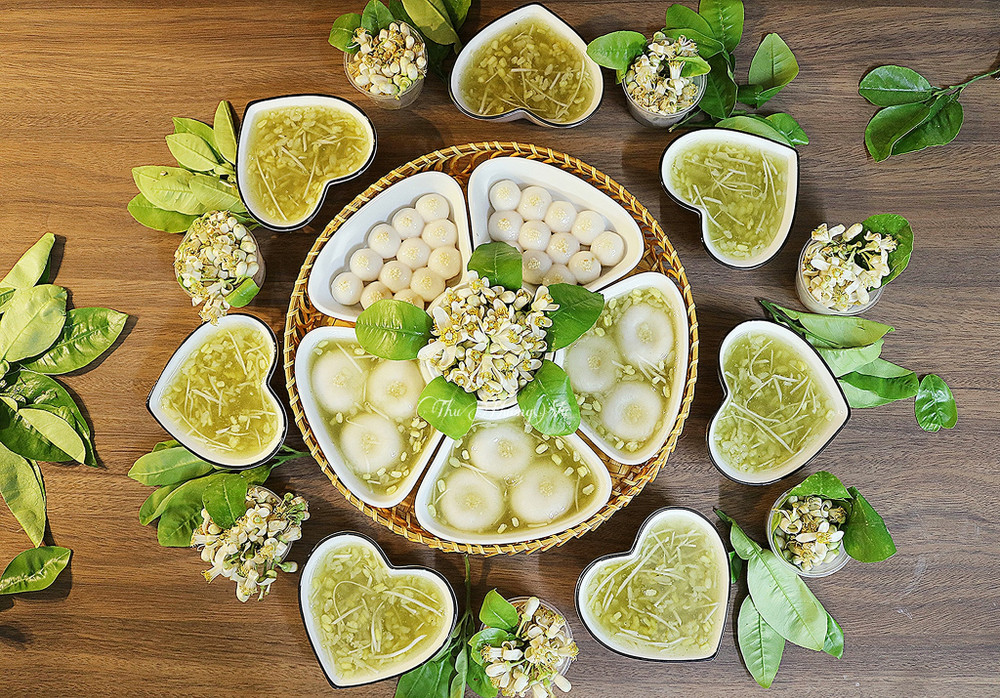
At the heart of this festival steeped in sweetness and memory, two emblematic dishes present themselves with delicacy: banh troi and banh chay. These small balls of sticky rice, white and gleaming, are modeled by hand, with patience and care. Each gesture seems to transmit a fragment of family heritage.
Banh troi, filled with cane sugar, float on the surface of boiling water once cooked. They recall light pearls carried by time. Sweeter and more nourishing, banh chay contain a paste of sweetened mung beans. They are enjoyed in a ginger syrup, light and fragrant. These sweets embody simplicity, purity, and the warmth of family bonds, in a ritual at once modest and deeply symbolic.
Explore Tet Han Thuc with Horizon Vietnam
On the occasion of Tet Han Thuc, at Horizon Vietnam, we have the habit of preparing Banh Troi together in the office. It is a very simple moment, in which everyone rolls up their sleeves, exchanges smiles, and shares a childhood memory or a little story around these traditional sweets.
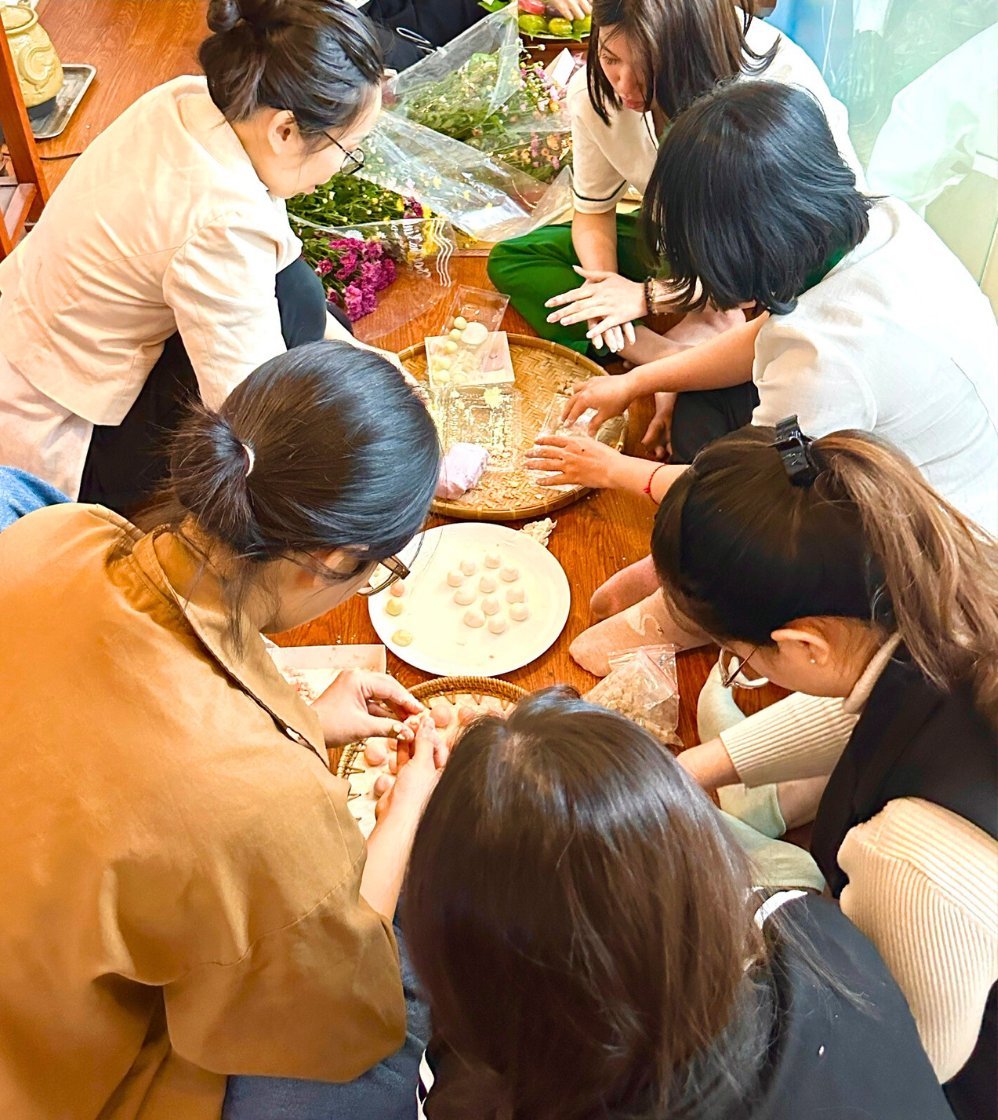
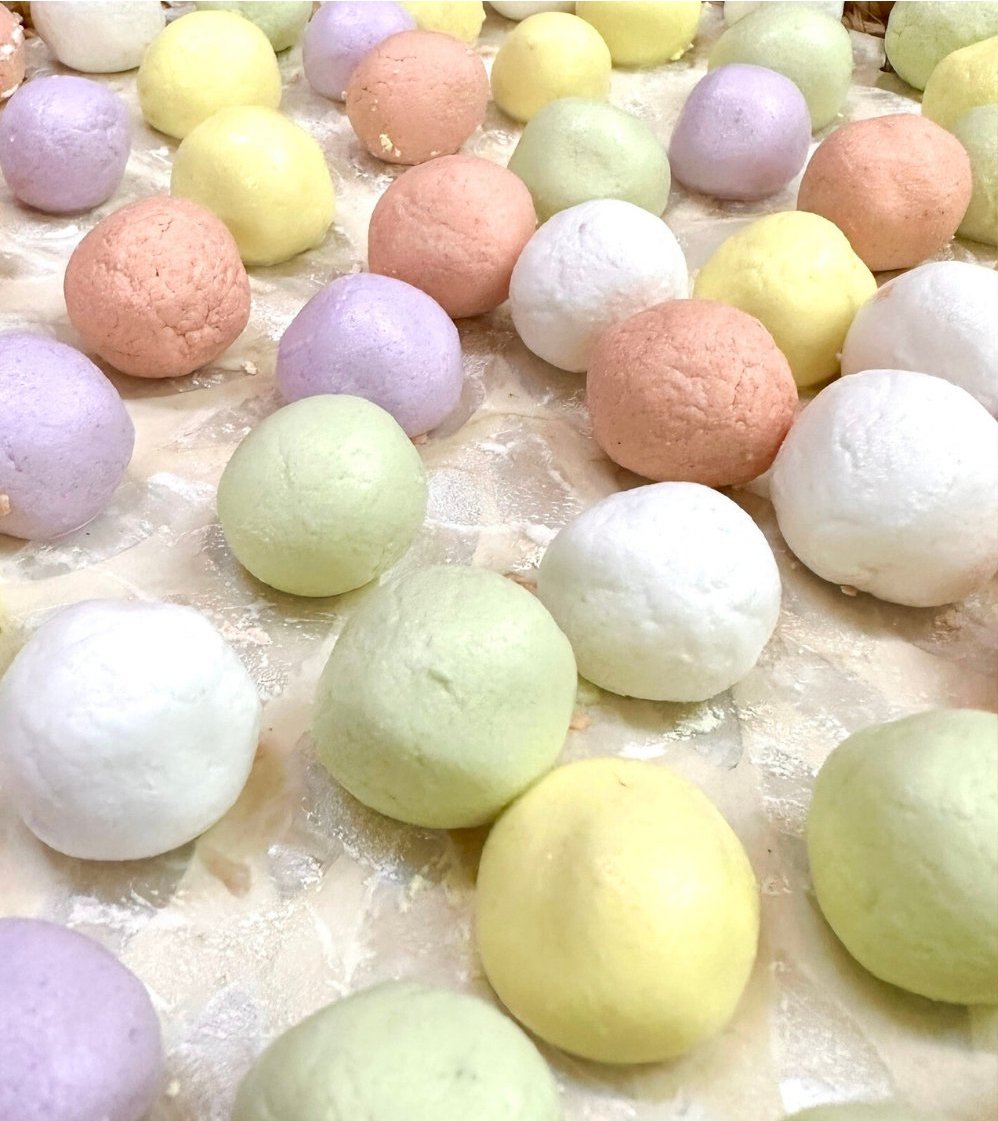
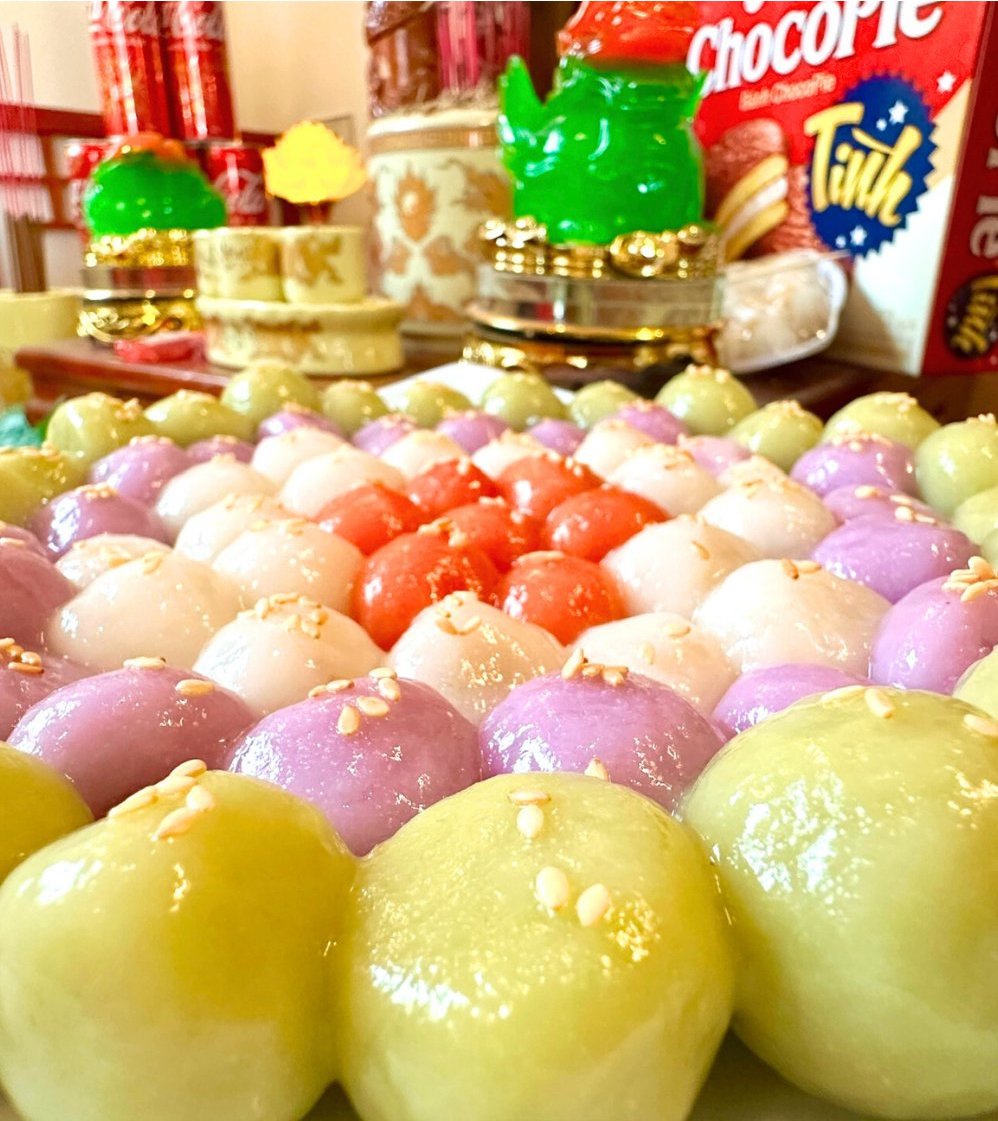
Without formality, this moment brings a beautiful tradition to life and naturally strengthens the bonds between us. It is also in these moments that the spirit we love to share with our travelers is reborn: authenticity, simplicity, and human warmth. We indeed invite them to taste these small symbolic sweets. They thus discover, in turn, all the tenderness and richness of this Vietnamese tradition.