+84 9 75 46 33 10 (Whatsapp)
  info@horizon-vietnamtravel.com
  Français
  Español
  Português
  Deutsch

Vietnamese Lotus: Symbol of Culture and Ancestral Visual Arts
Table of contents
The lotus, the emblematic flower of Vietnam, symbolizes resilience and purity. It grows in muddy waters, but rises to open to the light, preserved and luminous, never tainted. Representing purity, elegance and strength, the lotus embodies the deep values of the Vietnamese people. I invite you to immerse yourself in the meaning of this unique flower and discover the essential role it plays in Vietnamese culture. This journey could be a beautiful source of inspiration to explore, one day, Vietnam and its cultural riches.
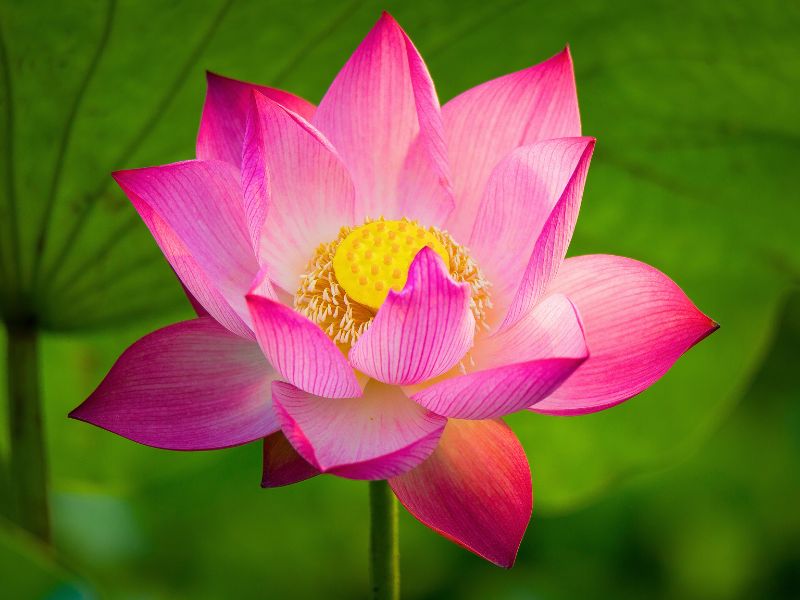
The lotus is the national flower of Vietnam, a symbol of purity, resilience and timeless beauty.
Unique Characteristics of Vietnam’s National Flower
The lotus, Vietnam’s national flower, is a perennial aquatic plant with unique characteristics. Its stem, roots and petioles develop underwater, while its leaves and flowers rise above, capturing the light. In full bloom, the lotus reveals layers of overlapping petals, taking on shapes that recall boats facing each other. Although it often grows in muddy waters, the lotus remains pure and splendid, even purifying the water around it. There are several varieties of lotus, each color having a particular meaning:

The lotus comes in several varieties, each of its colors carrying a unique meaning
- Pink: Symbol of Buddha and Buddhism, the pink lotus is also associated with simplicity and a strong will to live.
- White: Representing the purity of spirit and soul, the white lotus embodies the heart of Buddha and the overcoming of trials.
- Gold: The golden lotus is a symbol of enlightenment in Buddhism.
- Blue: Associated with wisdom and consciousness, the blue lotus also symbolizes freedom, peace and the prosperity of Vietnam.
- Purple: A symbol of spirituality and mysticism.
- Red: The red lotus embodies emotional attachment and symbolizes, in Vietnamese culture, love, passion and compassion.
These meanings, based on colors, enrich the symbolism of the lotus and reflect different aspects of Vietnamese culture, spirituality and values.
Cultural Meanings of Vietnam’s National Flower
Each flower in Vietnam carries a unique symbolism that evokes the deep values and traditions of the country. The lotus, present in numerous aspects of Vietnamese daily life and cultural rituals, is one of the most revered emblems of Vietnam. This exceptional flower embodies several meanings:
Human Qualities
The Vietnamese lotus, which blooms in muddy waters without ever absorbing their impurity, embodies resilience and purity. This ability to remain luminous and intact symbolizes the strength of the Vietnamese people, capable of overcoming trials and remaining faithful to their values. The lotus also represents individuals animated by elevated principles, detached from material attachments and temptations such as greed or lust, thus illustrating an ideal of virtue and simplicity in Vietnamese culture.
Buddhist Philosophy
Considered as the “Flower of Buddha,” the lotus holds an essential place in Vietnamese Buddhism. It symbolizes the path to enlightenment, representing the progression of the soul that rises from the darkest aspects of life (the mud) toward luminous and spiritual purity (the open flower).
In Buddhism, the Vietnamese lotus reflects the principles of karma and reincarnation. Its growth, from the state of bud to that of bloomed flower, then to seed formation, represents the perpetual cycle of life: the bud evokes the past and previous lives, the flower itself represents the present, and the seeds that form symbolize future lives. This cycle underscores the interconnection between each phase of life, each moment being a preparation for the next, while bearing the influences and repercussions of what preceded it.
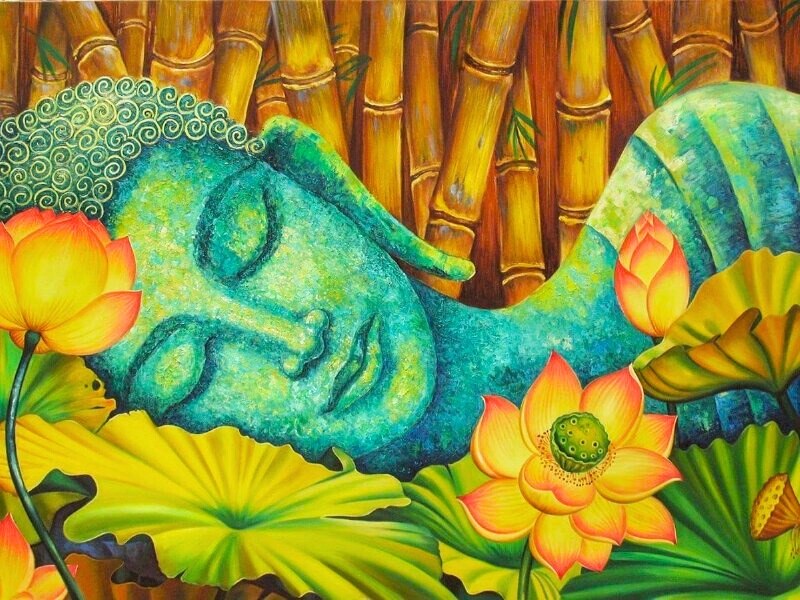
The lotus, nicknamed the Flower of Buddha, symbolizes in Vietnamese Buddhism enlightenment, karma and rebirth
Furthermore, the lotus illustrates the progressive purification of the mind, a key concept in Buddhist practice. The fact that the Vietnamese lotus emerges from muddy water without being contaminated symbolizes the elevation of the mind beyond material desires, ignorance and attachment. It shows how an individual, through meditation, wisdom and compassion, can transcend the illusions of the world and achieve a state of spiritual clarity.
In summary, the lotus flower, in Vietnamese Buddhist philosophy, reminds each person of the potential to overcome life’s difficulties and reach wisdom and spiritual awakening. It is a metaphor for inner evolution and the transformation that every human being can accomplish by following the way of Buddha.
Geomancy
The lotus is always perceived as a powerful symbol of fortune and balance, bringing peace, prosperity and harmony to those who respect it or integrate it into their environment. Because of its purity and its ability to bloom in turbid waters, it is also considered as a purifying and protective force, which repels negative energies while strengthening positive flows.

Today, the lotus inspires numerous decorative creations that bring a touch of elegance to Vietnamese interiors.
Today, the lotus inspires numerous artistic creations and decorative objects, such as paintings that often adorn Vietnamese homes and offices. These representations of the lotus are appreciated for their potential to attract beneficial energies, bringing calm and well-being to the space. By placing these works in living or working spaces, the Vietnamese aspire to create a harmonious environment in which prosperity and fortune can establish themselves durably, in the image of the stability and timeless beauty of this flower.
Love and Affection

The lotus embodies pure love and loyalty
The purity of the lotus makes it a symbol of sincere love and loyalty. Offering a lotus represents a gesture of profound devotion, a wish for lasting happiness and stability in the couple. This gesture reinforces the image of the lotus as an emblem of sincere and harmonious bonds, testifying to authentic love and solid commitment.
Vietnamese Femininity
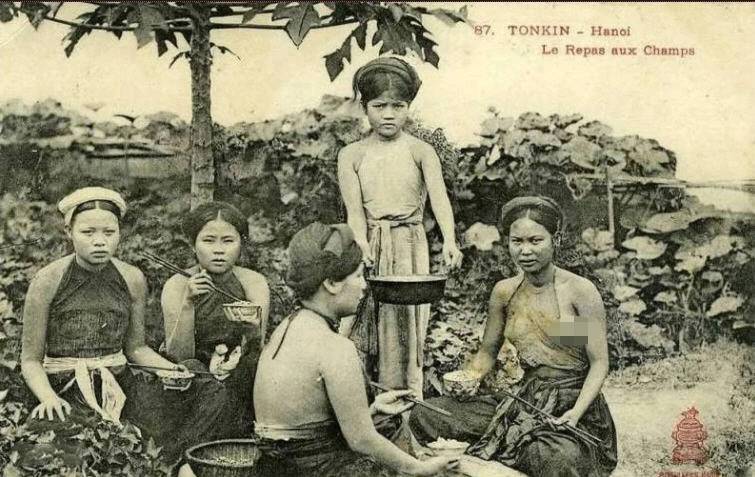
Finally, the lotus embodies the beauty and grace of Vietnamese women, who are distinguished by a profound elegance and sweetness, both in their appearance and in their character. Like this flower that blooms intact and splendid above muddy waters, Vietnamese women preserve their dignity and their charm despite the trials and difficulties of life. The Vietnamese lotus thus becomes a powerful symbol of their quiet strength and their ability to radiate, whatever obstacles they encounter.

The grace of young Vietnamese women enhanced by the presence of the lotus
This rich symbolism gives the lotus a unique status, embodying deep values of purity, resilience and spirituality that resonate in the heart of Vietnamese culture. A true source of inspiration, the lotus reflects the soul and essential qualities of the Vietnamese people, such as inner strength and detachment from material goods. Anchored in cultural and religious practices, this symbol connects the Vietnamese to their ancestral traditions while transmitting a universal message of beauty and wisdom, essential to their cultural identity.
Best Places to Admire the Vietnamese Lotus in Full Bloom
A national symbol and emblem of purity, the lotus is a flower deeply rooted in Vietnamese culture. Each year, during the warm season, ponds and lakes are adorned with lotuses in full bloom, offering landscapes of striking beauty. Observing these majestic flowers blossom is a unique experience, imbued with serenity and poetry, that attracts both local visitors and foreign tourists. If you wish to discover the splendor of the lotus in its natural environment, here are some of the best places in Vietnam to admire this emblematic flower in full bloom, and experience a moment of escape and contemplation in the heart of picturesque landscapes.
West Lake Lotus Pond in Hanoi
In Hanoi, the lotus field of West Lake is undoubtedly one of the most emblematic places to contemplate Vietnam’s national flower in all its splendor. This vast pond, located in the heart of the capital, attracts numerous visitors each year eager to enjoy the beauty of Vietnamese lotuses in full bloom. The ideal time to visit is early in the morning, when dew gently covers the leaves and soft light highlights the vivid colors of the petals. Late afternoon is also magical, when the intoxicating fragrance of lotuses spreads through the air, enveloping the lake in a serene atmosphere.
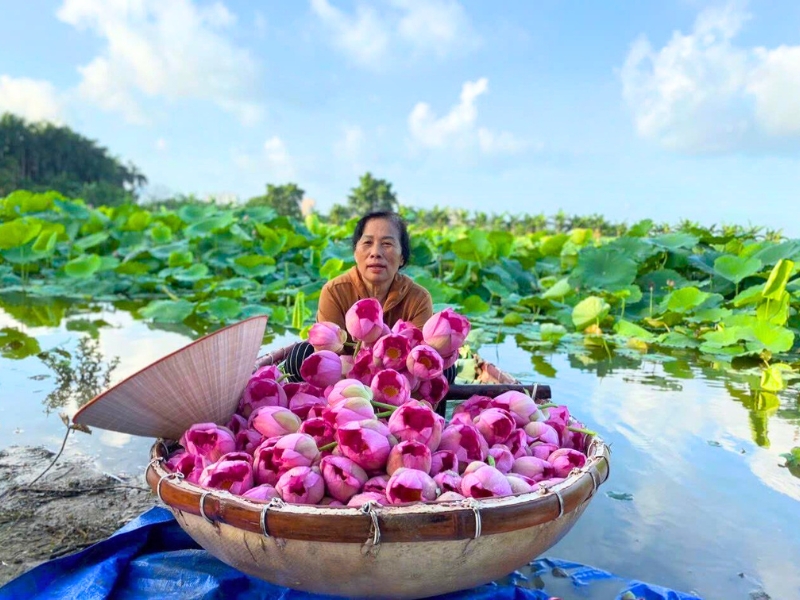
Lotus boat in the morning sun at West Lake
This site is distinguished by the immensity of its expanse, its majestic lotus buds and the vibrant pink color of its petals, which create a breathtaking natural picture. Visitors can savor the tranquility of the landscape, breathe the pure air and extend this experience by tasting lotus tea in a local tea room or sampling lotus jam, a refined specialty. The lotus field of West Lake is also an ideal place to capture these moments by taking photographs among the flowers, thus creating unforgettable memories in the heart of one of the natural wonders most dear to Vietnam.
Tinh Tam Lotus Pond in Hue
In Hue, at the end of May or the beginning of June, visitors can admire numerous lotus ponds that extend through the historic city. The Tinh Tam lotus field is one of the most emblematic places to observe Vietnam’s national flower. From the first sunny days of summer, the lotuses of Tinh Tam reveal their vivid colors under a blue sky, adding a touch of splendor to the peaceful beauty of Hue.

Vietnam’s national flower now seems to embody the image of tourism in Hue in summer
Once reserved for royalty, this pond is part of the 20 most famous sites in Hue. The lotuses of Tinh Tam are appreciated for their delicacy and subtle fragrance that permeates the surroundings. A walk around the lake offers a serene experience in which you can photograph the lotuses, immerse yourself in the beauty of the ancient capital and perceive the sweetness of the fragrance of these flowers in the breeze, a moment of tranquility in which fatigue and worries seem to fade away.
Lotus Pond in Tam Coc – Bich Dong (Ninh Binh)
The Lotus Pond in Tam Coc – Bich Dong, nestled in the idyllic region of Ninh Binh, embodies a natural treasure that seduces with its singular charm and enchanting scenery. In summer, the lotuses bloom fully, covering the water stretches with delicate hues and creating a poetic scene imbued with colors. Under the rays of the sun, these vibrant flowers reveal all their beauty, mixing green leaves and pink petals to blend harmoniously in the quiet of Tam Coc – Bich Dong.

Serenity of the Lotus Pond in Tam Coc – Bich Dong, where nature adorns itself with poetic colors and timeless beauty
This site attracts visitors not only for the splendor of the lotuses, but also for the perfect balance between majestic limestone mountains, rivers winding through the fields and mysterious caves that dot the landscape. Gliding over calm waters aboard small boats, travelers let themselves be enveloped by the delicate fragrance of lotuses, thus offering a rare moment of peace and communion with nature.
The lotus pond in Tam Coc – Bich Dong is a true invitation to escape and contemplation. The reflection of the mountains on the peaceful water, the gentle murmur of leaves at the breath of the wind and the subtle fragrance of lotus flowers create an atmosphere conducive to relaxation. For nature lovers and photography enthusiasts, this place is a natural paradise where every moment is a work of art and where each lotus brings a poetic note to the serene and enchanting landscape.
Lotus Pond in Dong Thap Muoi
The lotus ponds of Dong Thap irresistibly evoke the poetic beauty of the Thap Muoi Lotus Pond. Located in the commune of My Hoa, in the district of Thap Muoi, about 39 km from the city of Cao Lanh, this place is an appreciated destination of the Mekong Delta. The small boats that glide among the lotuses, accompanied by the emblematic image of young girls in traditional tunic “Ao ba ba,” embody a familiar and dear symbol of Vietnamese culture.

The lotuses in full bloom in Dong Thap Muoi create a picture of serenity and poetry
What makes the lotus pond of Dong Thap so special is its almost uninterrupted blooming throughout the year, especially during the flood season, from August to November. The immensity of the flowers and their sweet fragrance fascinate visitors, inviting them to immerse themselves in this marshland of bewitching charm. Beyond the visual pleasure, visitors can dedicate themselves to activities such as boat trips, fishing or even flower picking alongside the inhabitants. They also have the opportunity to taste local specialties, such as fish grilled in lotus leaves, caramelized fish and lotus dessert, for an authentic and tasty experience of southern Vietnam.
Quintessence of the Lotus in Vietnamese Cuisine
The lotus, a symbol of purity and elegance, perfectly embodies the essence of Vietnamese cuisine. Rarely is a plant so versatile: every part of the lotus – flower, seeds, stem, root and heart – lends itself to a multitude of culinary creations, bringing flavor and refinement to dishes.
Beyond its gustatory qualities, the lotus is recognized for its nutritional and medicinal benefits. Rich in vitamins and minerals, it helps strengthen health and possesses preventive properties for various ailments. In the kitchen, every preparation based on lotus, whether tasted or used as decoration, brings an aesthetic touch that enhances the culinary experience. Here are some of the most popular dishes that use this sacred plant:
Com sen (Lotus Rice)
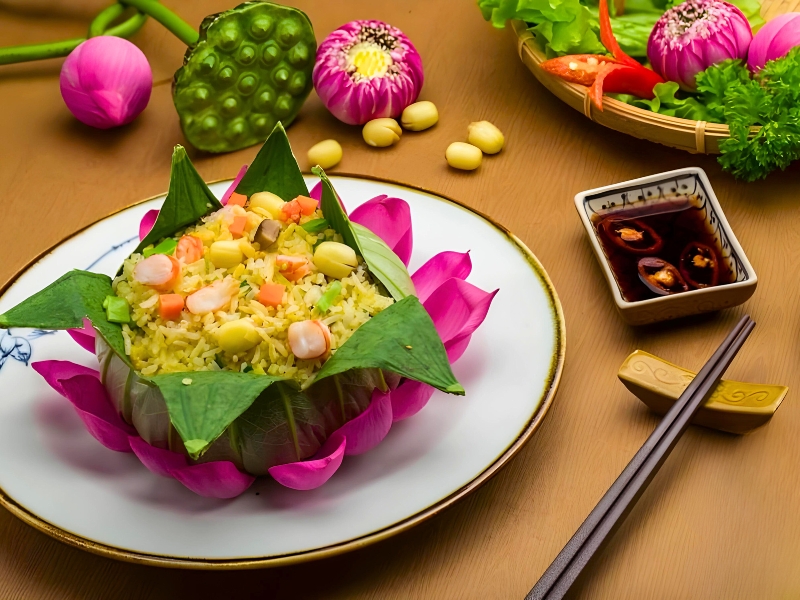
Com Goi La Sen (Rice in lotus leaf)
Com sen is one of the most emblematic dishes of Vietnamese cuisine. This delicately fragrant rice is prepared by infusing lotus seeds and leaves, which impregnates each grain with a sweet and floral aroma. Considered a refined dish, Com sen is also appreciated for its nutritional value and lightness, offering a perfect balance between simplicity and elegance.
Che hat sen (Sweet Soup with Longan and Lotus Seeds)
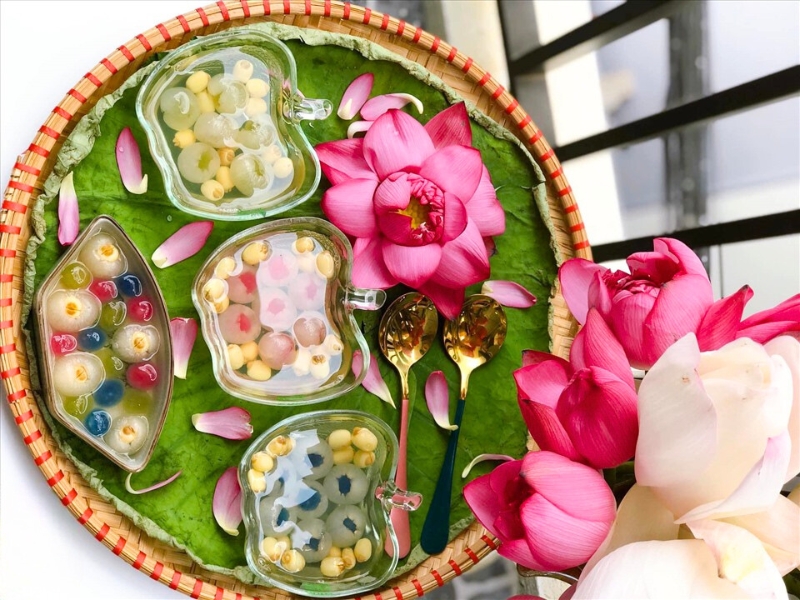
Che hat sen offers a refreshing sweetness and delicately fragrant
This traditional dessert is appreciated for its light sweetness and its health benefits. Lotus seeds are slowly stewed in sugar syrup until they become tender. Sometimes, they are combined with longan, mung beans or grass jelly to enrich the flavor and texture. This sweet soup is served cold, ideal for cooling off during hot summer days.
Goi ngo sen (Lotus Stem Salad)

Goi ngo sen is the fresh and light salad with lotus stems that brings a crunchy and fragrant touch
Lotus stems, crispy and slightly sweet, are the main ingredient of this fresh and light salad. They are finely sliced and mixed with shrimp, minced pork, carrots, aromatic herbs and dressed with a sauce based on lime juice, sugar and nuoc-mam. The result is a perfect balance between textures and flavors, which reflects the harmony of Vietnamese cuisine.
Tra sen (Lotus Tea)

Lotus tea is a gift of nature, impregnated with the sweet and refreshing fragrance of the lotus flower
A true treasure of Vietnamese culture, lotus tea is elaborated by infusing green tea with fresh lotus flower stamens. This laborious process requires thousands of flowers and great patience, as the tea must be marinated several times to fully absorb the aroma of the lotus. The result is a refined beverage with a delicate fragrance, often tasted during ceremonies or offered as a sign of respect.
Mut sen (Candied Lotus Seeds)
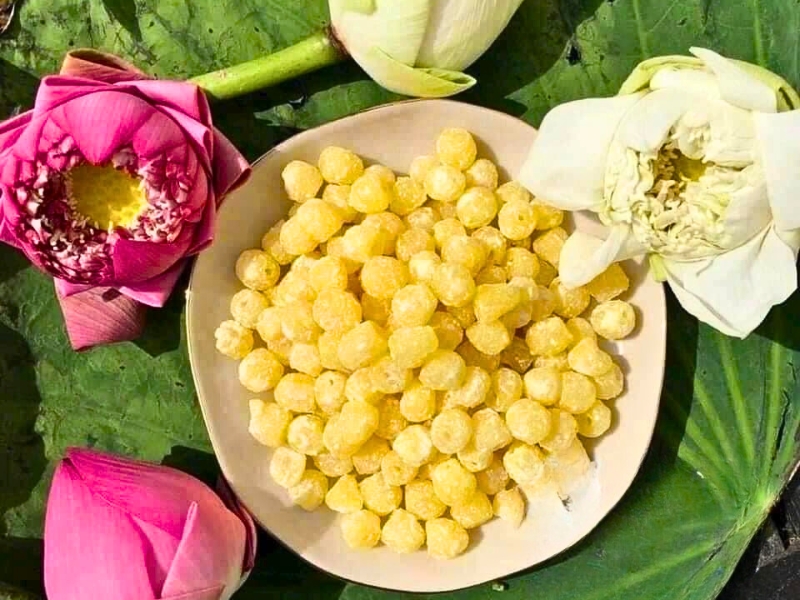
Candied lotus seeds are a traditional Vietnamese sweetness made from lotus seeds
Lotus seeds are candied in sugar to create a sweet and melting candy. Often served during Tet (Vietnamese New Year), this confectionery symbolizes purity and good fortune for the new year. These emblematic dishes demonstrate how the lotus transcends its role as an ingredient to become a true expression of Vietnamese culinary art. Each recipe celebrates not only the unique flavors of the lotus, but also the cultural values of sharing, harmony and respect for nature.
Symbolism of the Lotus in Vietnamese Architecture
The lotus is a central symbol of Vietnamese architecture, illustrating both the spirituality and elegance of the country’s culture. From traditional architecture to contemporary architecture, this emblematic flower is integrated into numerous buildings for its aesthetic and spiritual values. In Vietnamese architecture, particularly in Buddhist temples, the lotus is an important symbol. This flower, associated with purity and serenity, is used to decorate altars, columns and sculptures.
Chua Mot Cot (One Pillar Pagoda)
The One Pillar Pagoda is an emblematic architectural structure of Vietnam, inspired by the national flower of the country. According to legend, it was built in the 11th century from a dream of King Ly Thai Tong, in which he perceived a throne in the shape of a lotus.
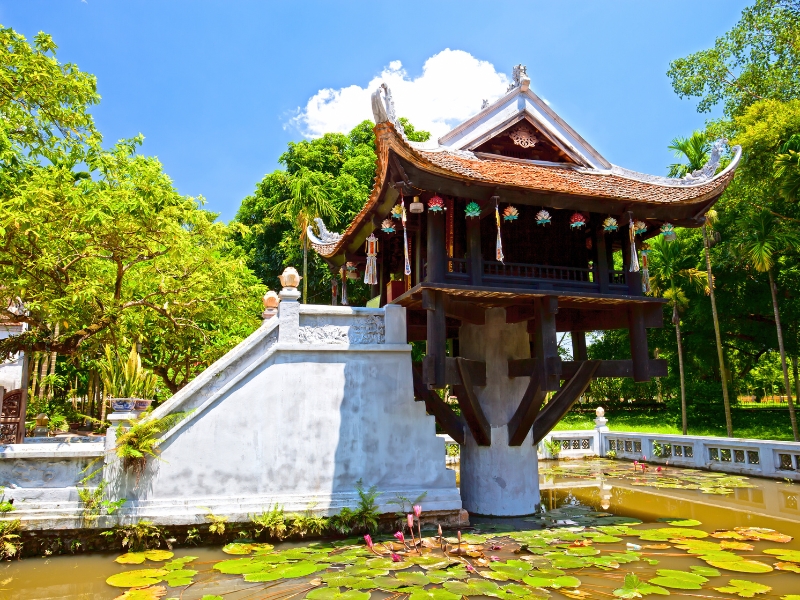
The One Pillar Pagoda, a jewel of Hanoi, is inspired by the lotus, a symbol of purity and spiritual elevation
This pagoda rests on a single robust pillar that emerges from the mud, supporting a traditional wooden structure. The pillar represents the stem of the lotus, while the wooden structure embodies the bloomed flower. Seen from a distance, it appears to float like a great lotus flower in the center of a lake.
Tram Huong Tower (Nha Trang, Khanh Hoa)

From a distance, the Tram Huong Tower evokes an orange lotus bud lit by the sun
From the first glance, visitors can perceive the inspiration drawn from Vietnam’s national flower in the architecture of the Tram Huong Tower. Considered a symbol of the city of Nha Trang, this tower stands out for its unique design. Seen from a distance, the Tram Huong Tower resembles an orange lotus bud in the sun. Even at night, it continues to shine thanks to the lights emanating from its petals.
Bitexco Financial Tower (Ho Chi Minh City)
Located in the heart of District 1 of Ho Chi Minh City, the Bitexco Financial Tower rises 68 stories and has been ranked as the 110th tallest building in the world. Designed to be a remarkable building linked to national traditions, this tower is inspired by Vietnam’s national flower, the lotus.

Bitexco rises like a lotus bud, embodying the alliance between Vietnamese tradition and architectural innovation
Built with the latest technologies, the Bitexco Financial Tower adopts the tapered form of a lotus bud. Seen from a distance, it stands like an immense lotus bud on the banks of the Saigon River. The glass walls also symbolize the pure and transparent beauty of the lotus, strengthening the link between modernity and tradition in this architectural masterpiece.
The Vietnamese lotus embodies the essence of Vietnamese culture and arts, harmoniously connecting tradition and spirituality. Present in architecture, ceremonies, literature and craftsmanship, it symbolizes values of purity, resilience and inner beauty so dear to the Vietnamese people. Through the centuries, the lotus has inspired generations of artists and craftspeople, affirming its status as a timeless icon. By honoring the lotus, Vietnam celebrates a unique heritage and reminds the world of the importance of preserving and transmitting these ancestral values.