
A Vietnam visa is required if you plan to stay in Vietnam for longer than the allowed visa-free period or if your nationality is not eligible for visa exemption. You must prepare your visa before arrival unless you qualify for visa-free entry or a visa on arrival/e-visa.
Your passport must be valid for at least 6 months beyond the intended date of entry into Vietnam.
Vietnam allows foreigners to enter and exit through international airports (Hanoi, Ho Chi Minh City, Da Nang), land borders, and seaports where visas are accepted.
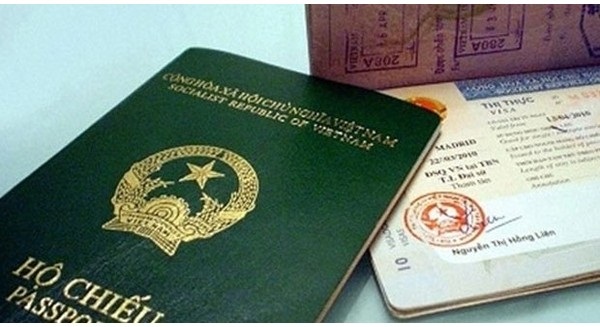
Note that the passport must be valid for 6 months after the expiry date of the visa.
Vietnam visa types
1. Tourist Visa
A visa for tourism purposes.
- Usually available for 30, 60, or 90 days.
- Can be single or multiple entry depending on the application.
- Common for short: leisure travel, visiting friends/family.
2. Business Visa
For business trips, attending conferences or meetings.
- Typically valid for 3 months or longer.
- Can allow multiple entries.
- May require additional documentation from Vietnamese partner organizations.
3. Student/Study Visa
If you enter on a tourist visa to study, you must contact the Vietnam Immigration Department after arrival to convert your status to a student visa. This procedure requires supporting documents from your educational institution.
4. Transit Visa
- Valid for up to 5 days.
- May be issued for people connecting through Vietnam to another country.
- Often provided for organized tourist groups with guide and travel itinerary.
Exemption
Vietnam periodically updates its visa exemption policies. As of now:
Visa-Free Entry (45 days)
Vietnam has extended a visa exemption policy for citizens of certain countries (not including Israel) that allows entry without a visa for short stays (up to 45 days) from March 15, 2025 to March 14, 2028.
Countries in this visa-free list include:
- Germany, France, Italy, Spain, United Kingdom, Russia, Japan, South Korea, Denmark, Sweden, Norway, Finland
- Additional countries such as Belgium, Bulgaria, Croatia, Czech Republic, Hungary, Luxembourg, Netherlands, Poland, Romania, Slovakia, Slovenia, Switzerland have also been added under a tourism stimulus program.
How to get a Vietnam visa?
1. Apply for an E-Visa (Electronic Visa)
- Available online for most nationalities, including Israel.
- Usually valid for 30–90 days, single or multiple entries.
- You apply online through the official Vietnamese government e-visa portal by submitting your passport info and photo.
- E-visas are accepted at specified entry points including airports, land borders and seaports.
2. Visa on Arrival (VOA)
- You apply for a pre-approval letter online before departure.
- Upon arrival at international airports (e.g., Ho Chi Minh, Hanoi, Da Nang), the visa is stamped in your passport.
- Visa on arrival is available for most nationalities, including Israeli citizens, flying into Vietnam.
Requirements normally include:
- Passport valid for minimum 6 months
- Passport-type photo (for stamping)
- Fees for stamping paid at the airport after landing.
3. Vietnam Embassy or Consulate
- You can apply directly at the Vietnamese embassy/consulate in your current country (e.g., in Israel if available).
- Submit passport, application form, photos, and visa fees.
- Suitable for longer or business visas or if you want a visa before departure.
Important Notes
- Passport validity: Must generally have at least 6 months validity beyond your arrival date.
- Visa extensions: If you need to stay longer than your visa or visa-free period allows, you must extend the visa through a travel agency or local immigration office inside Vietnam.
- Golden Visa / Long-Term Visa: Vietnam is reportedly considering long-term visa programs (e.g., 5–10 years) for certain investors and talent categories, but details are still emerging.
We hope you will have a good trip!